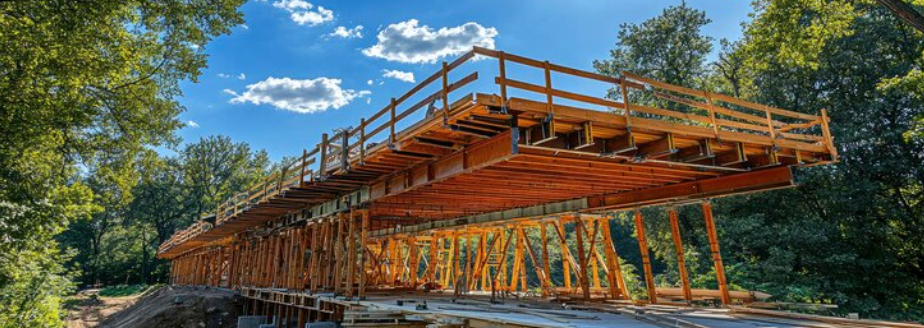

Timber bridges have become a popular choice in parks, hiking paths, and nature trails because they combine strength, natural beauty, and environmental friendliness. In many outdoor spaces, maintaining a balance between accessibility and preserving the natural setting is important. This is where timber bridge construction plays a key role. It offers a practical and attractive solution for crossing small rivers, streams, and uneven terrain while blending naturally with the surrounding environment.
The Natural Appeal of Timber Bridges
One of the main reasons parks and trail designers choose timber is its natural look. Wood blends easily with trees, soil, and water, making it visually suitable for outdoor landscapes. Unlike concrete or steel structures, timber bridges do not feel out of place in natural settings.
Through modern timber bridge construction methods, engineers can design structures that maintain this natural appearance while still meeting safety and durability standards. This helps preserve the peaceful and scenic experience that visitors expect in parks and nature trails.
Strength and Durability in Outdoor Conditions
Many people assume that wood is not strong enough for long-term outdoor use, but this is not true when it is properly treated and designed. Today’s timber bridge construction uses advanced treatment techniques that protect wood from moisture, insects, and weather damage.
When built correctly, timber bridges can last for decades with regular maintenance. They are designed to handle foot traffic, bicycles, and sometimes even light maintenance vehicles in parks. The flexibility of wood also helps it absorb movement and pressure better than more rigid materials, which can reduce structural damage over time.
Eco-Friendly and Sustainable Choice
Environmental impact is a major concern in modern construction, especially in protected areas like nature trails and parks. Timber is one of the most sustainable building materials available when it comes from responsibly managed forests.
Timber bridge construction supports eco-friendly development because wood is renewable and has a lower carbon footprint compared to steel or concrete. Additionally, wooden bridges can often be built with less heavy machinery, which helps reduce disturbance to the surrounding land, plants, and wildlife during construction.
Easy Installation and Maintenance
Another advantage of timber bridges is that they are generally easier and faster to install. In many park areas, access can be limited, making it difficult to transport heavy construction materials. Timber is lighter and easier to work with, which simplifies the building process.
Timber bridge construction also allows for easier repairs. If a section becomes damaged, it can often be replaced without rebuilding the entire structure. This makes long-term maintenance more affordable and practical for local authorities or park management teams.
Safe and Comfortable for Visitors
Safety is a top priority in public outdoor spaces. Modern timber bridges are designed with strong foundations, slip-resistant surfaces, and proper railings to ensure visitor safety. They provide a stable and comfortable walking experience for people of all ages.
In addition, timber bridges create a calm and natural walking atmosphere. Visitors often feel more connected to nature when walking across wooden structures compared to industrial-looking materials.
Conclusion
Timber bridge construction offers a reliable, sustainable, and visually pleasing solution for parks and nature trails. It combines natural beauty with practical strength, making it ideal for outdoor environments where both durability and environmental harmony are important. With proper design, treatment, and maintenance, timber bridges can serve communities for many years while enhancing the overall outdoor experience for visitors.