
Water leaks are one of the sneakiest problems a homeowner can face. They often start small, hidden behind walls or under floors, but their impact can quickly become serious. Ignoring them can lead to costly repairs, health hazards, and even structural damage. Understanding how water leaks affect your home is key to keeping your property safe and well-maintained.
Hidden Damage Behind Walls From Water Leaks
Water leaks, defined as unwanted water escaping from pipes or fixtures, can silently damage your walls. Over time, moisture weakens drywall and causes paint to bubble or peel. Wooden structures absorb water, leading to warping and rot. In some cases, leaks behind walls remain unnoticed until the damage is extensive. Detecting leaks early is crucial because the longer water sits, the worse the damage becomes.
Mold Growth Triggered by Water Leaks
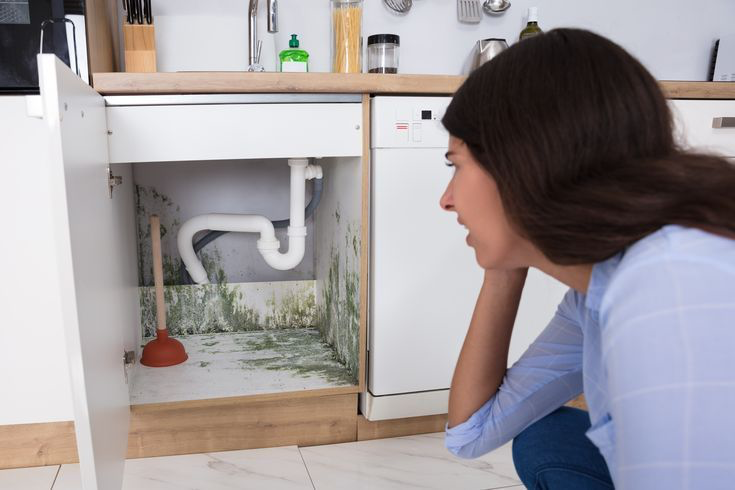
Mold thrives in damp, hidden spaces, and water leaks provide the perfect environment. Once mold starts growing, it can spread quickly and affect indoor air quality. This poses a health risk, particularly for children, the elderly, or anyone with respiratory issues. Moisture from water leaks often goes unnoticed until mold becomes visible, making early detection vital to prevent health problems and costly remediation.
Foundation and Structural Concerns From Water Leaks
Persistent water leaks can weaken your home’s foundation and overall structure. Water seeping into basements or crawl spaces erodes soil and compromises concrete, leading to cracks and instability. Wooden beams may rot, and floors can become uneven or sag. Addressing water leaks immediately helps preserve your home’s integrity and prevents major structural repairs in the future.
Electrical Hazards Caused by Water Leaks
Water leaks don’t just damage walls and floors—they can create dangerous electrical hazards. Moisture near outlets, wiring, or appliances increases the risk of short circuits and fires. Even a small leak can compromise electrical systems if left untreated. Homeowners should never ignore leaks near electrical components and should call professionals to assess the risk.
Plumbing System Stress From Water Leaks
Water leaks put additional strain on plumbing systems. Pipes carrying water under pressure can corrode faster when leaks are present, causing more frequent failures. Leaks also increase water bills and waste resources. Fixing leaks promptly protects your plumbing investment and ensures the system works efficiently for years to come.
Preventative Measures and Regular Inspections
Regular inspections are the best defense against water leaks. Checking under sinks, around appliances, and near water heaters can help spot small leaks before they escalate. Using moisture detectors or smart sensors provides an extra layer of security. Preventative maintenance reduces repair costs, keeps your home safe, and extends the life of plumbing and structural components.
Conclusion
Water leaks may start as minor annoyances, but their consequences can touch every aspect of home safety and maintenance. From hidden wall damage and mold growth to structural and electrical hazards, ignoring leaks is a risk no homeowner should take. Proactive detection, timely repairs, and regular inspections ensure your home remains safe, durable, and comfortable for years. By taking water leaks seriously, you protect both your property and your peace of mind.