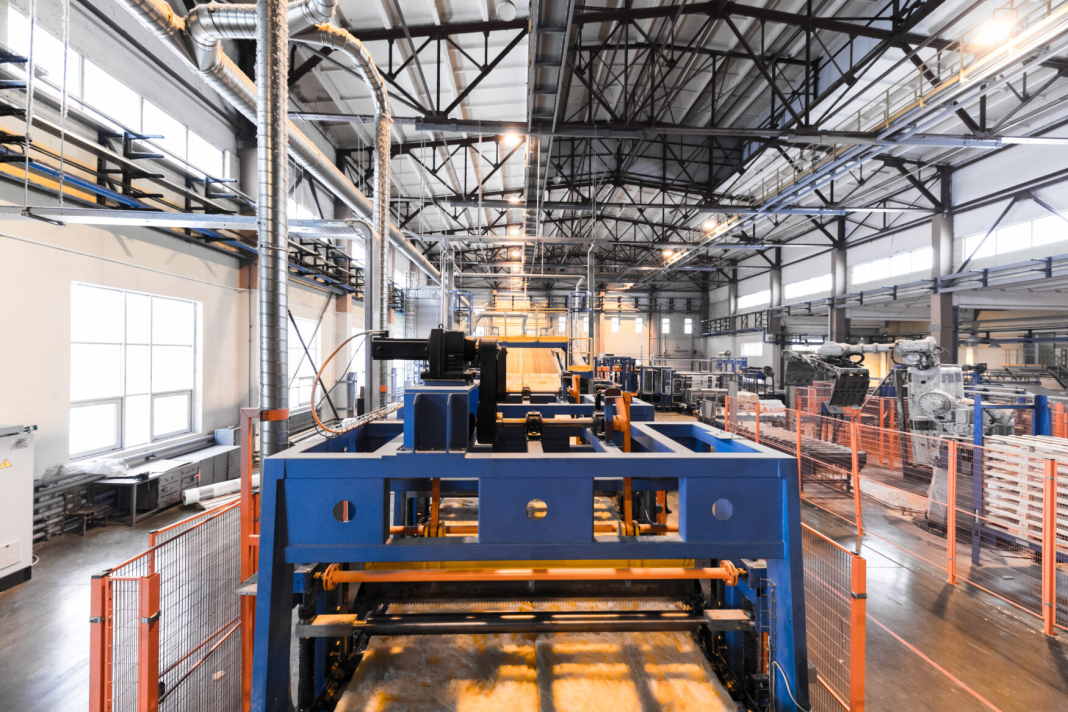

The efficiency of any manufacturing operation depends not only on the machinery and workforce involved but also on the quality and suitability of the materials used throughout the production and logistics chain. Industrial materials play a foundational role in protecting products, enabling precision processes, improving worker safety, and reducing waste at every stage of manufacturing. Businesses that invest thoughtfully in high-quality industrial materials see measurable improvements in output consistency, equipment longevity, and overall operational cost.
Protective Packaging and Storage Crates
Products moving through manufacturing facilities or distribution networks require reliable protective packaging that prevents damage during handling, storage, and transit. The right packaging materials must be matched carefully to the weight, fragility, sensitivity, and dimensional characteristics of the products they contain and protect. Heavy-duty crates provide rigid protective enclosures for large, heavy, or high-value components and assemblies that require stable and secure containment during storage and transport. Unlike flexible packaging options, rigid crating maintains its protective geometry under stacking loads and physical handling stress, reducing the damage rates and associated replacement costs that negatively affect total production efficiency.
Surface IPC Coatings for Equipment Protection
Industrial equipment surfaces face constant exposure to mechanical wear, chemical contact, temperature extremes, and moisture that gradually degrade performance and structural integrity over time. Applying the right protective coatings to equipment surfaces extends service life, maintains dimensional accuracy, and reduces maintenance frequency in demanding manufacturing environments. Products like IPC coatings offer formulated solutions designed specifically for industrial applications where standard paints and sealers lack the chemical resistance, adhesion strength, or thermal tolerance that the operating environment demands.
Fasteners, Fittings, and Structural Hardware
The reliability of any manufactured product or production fixture depends on the quality of the hardware holding its components together under operating conditions. Industrial-grade fasteners, brackets, and structural fittings must meet specific strength, corrosion resistance, and dimensional tolerance standards to perform reliably under the loads and environmental conditions they experience in service. Substituting lower-grade hardware to reduce procurement costs frequently leads to assembly failures, product recalls, or equipment downtime that far exceeds the apparent savings achieved at the point of purchase.
Material Handling Equipment and Accessories
Moving raw materials, components, and finished products safely and efficiently through manufacturing facilities requires appropriate handling equipment matched precisely to the weight, volume, and fragility of the items being moved at each stage. Properly specified handling equipment reduces physical strain on workers, minimizes product damage risk, and improves throughput rates across the entire production floor. Regular inspection and maintenance of material handling equipment prevents unexpected failures that interrupt production schedules and create safety hazards for personnel working in proximity.
Industrial Lubricants and Process Chemicals
Machinery that operates without appropriate lubrication degrades rapidly, consuming more energy while producing less output and generating excessive heat and premature component wear. Industrial lubricants formulated for specific application types deliver the viscosity stability and protective film strength that each application specifically demands. Process chemicals including industrial cleaners, cutting coolants, and mold release agents also contribute directly to product quality and equipment longevity when selected and applied correctly for each application.
Conclusion
Industrial materials support manufacturing operations at every level, from protecting products during transport to extending the service life of critical equipment. The right combination of protective packaging, surface coatings, quality hardware, handling systems, and process chemicals creates manufacturing environments that operate more reliably, produce higher-quality output, and sustain lower long-term costs. Thoughtful material selection is a direct investment in the overall efficiency and competitiveness of the manufacturing operation.