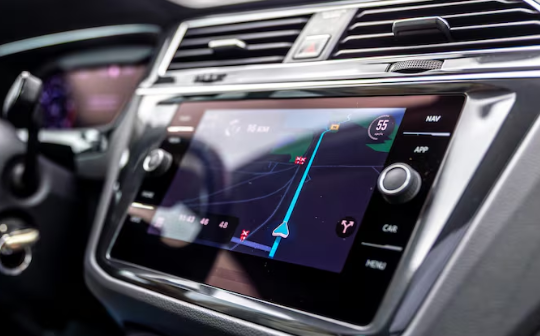

In the contemporary automotive landscape, the dashboard has evolved from a collection of simple dials into a sophisticated digital command center.
Infotainment systems—which combine information and entertainment functions—have become a defining feature of modern vehicles, turning every journey into a more connected and efficient experience.
As cars become increasingly software-defined, the integration of these systems offers significant advantages for both drivers and passengers.
Seamless Connectivity and Smartphone Integration
One of the most appreciated benefits of modern technology is the ability to maintain a digital connection without compromising safety. By utilizing platforms like Apple CarPlay and Android Auto, drivers can mirror their smartphone interfaces directly onto the vehicle’s display.
This allows for instant access to music libraries, messaging apps, and contact lists in a familiar format. Whether you are streaming your favorite podcast or managing incoming calls through hands-free Bluetooth connectivity, infotainment for cars ensures that your digital life remains accessible and organized while you stay focused on the road.
Advanced Navigation and Real-Time Efficiency
Gone are the days of fumbling with paper maps or worrying about outdated GPS devices. Today’s built-in navigation systems provide dynamic, turn-by-turn guidance with the added benefit of real-time traffic updates.
By analyzing current road conditions, these systems can suggest alternate routes to avoid congestion, saving time and reducing stress during daily commutes or long highway trips.
Because these interfaces are specifically designed for vehicle use—featuring larger text and easier-to-reach buttons than a typical smartphone—they provide a safer and more detailed viewing experience.
Enhanced Safety Through Smart Integration
While the name implies entertainment, a primary function of these systems is actually the improvement of driver safety. Many modern units serve as the hub for advanced safety hardware, including rearview cameras and 360-degree surround-view systems that assist with parking in tight spots.
Furthermore, the integration of voice recognition technology allows drivers to adjust climate control, navigation, or media settings using simple verbal commands. By minimizing the need for manual interaction, infotainment for cars helps keep the driver’s hands on the wheel and eyes on the road.
A Personalized and Comfortable Cabin
Modern systems do more than just play music; they allow for a high degree of personalization that enhances overall comfort.
Through the central touchscreen, users can often customize vehicle settings, such as adjusting seat positions, fine-tuning climate control, or selecting “wellness” modes that modify lighting and ventilation for a more relaxing atmosphere.
With the ability to synchronize settings across multiple drivers, these systems ensure that every time you enter the vehicle, your preferred environment is ready and waiting.
Driving Resale Value and Modernity
For those in the used car market, the presence of a high-quality digital ecosystem is a major selling point. Vehicles equipped with up-to-date infotainment for cars often command higher resale values, as buyers increasingly view these features as essential rather than optional.
The ability to receive over-the-air (OTA) software updates also ensures that a vehicle stays relevant long after it leaves the dealership, as manufacturers can continuously deploy new features, security patches, and interface improvements without requiring physical service visits.